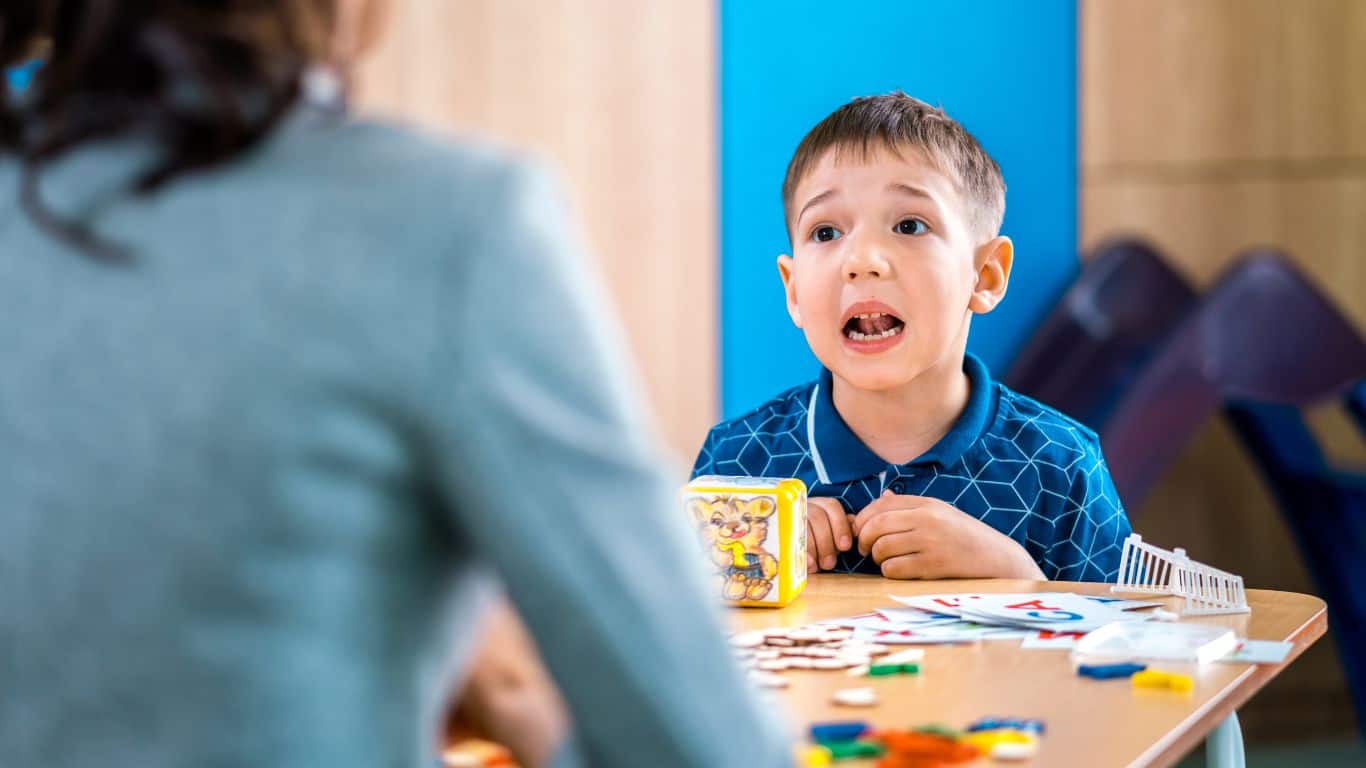
There’s a silent tension that plays out every day between the clinical therapy world and the school system.
Two different arenas.
Two different languages.
Both claiming to serve the same child.
But what if the gap between therapy and education wasn’t inevitable? What if, just maybe, it’s a bridge waiting to be built?
This isn’t a critique. It’s a call. A call to therapists, teachers, administrators, and families to come to the table, not with competing agendas, but with shared responsibility for the child at the center.
Because here’s the truth: when therapy and the classroom operate in silos, the child absorbs the fallout.
Two Systems, One Child
Walk with any parent of a neurodivergent child and you’ll hear it:
- “The school says he’s fine. The therapist says he’s not ready.”
- “The BCBA told me one thing. The IEP team told me something completely different.”
- “They don’t talk to each other. So I have to translate everything. I’m exhausted.”
The disconnect is real. And understandable.
School-based therapists often operate under strict district guidelines, time limitations, and academic goals. Clinical therapists often have more flexibility, but less access to real-time school dynamics. Each works from their framework of expertise, but rarely do those frameworks align.
And the child? They live in both worlds. Shifting between expectations. Adapting to differing strategies. Trying to keep up with two versions of the same support.
It’s not working.
Collaboration Isn’t a Luxury, It’s a Lifeline
Let’s be clear: collaboration between therapy teams and school staff isn’t “nice to have.” It’s essential.
Research published in the American Journal of Occupational Therapy confirms what so many of us already feel intuitively, that when therapy teams collaborate closely with educators, we see greater goal generalization, stronger functional outcomes, and significantly higher family satisfaction across settings.
The CDC’s Learn the Signs. Act Early initiative emphasizes that early identification is only part of the equation. Real impact comes when support systems, school, clinic, and home work together with consistency, giving the child a unified developmental environment (CDC/Zero to Three).
But more than research, it’s common sense.
No speech-language goal exists in isolation from the classroom.
No occupational therapy milestone matters if it doesn’t show up at circle time or lunch.
No behavioral intervention plan thrives without teacher buy-in.
When school and therapy teams work together, kids don’t have to compartmentalize their growth. They get to live it out loud, across environments.
Therapists, We Have to Step Into the Classroom
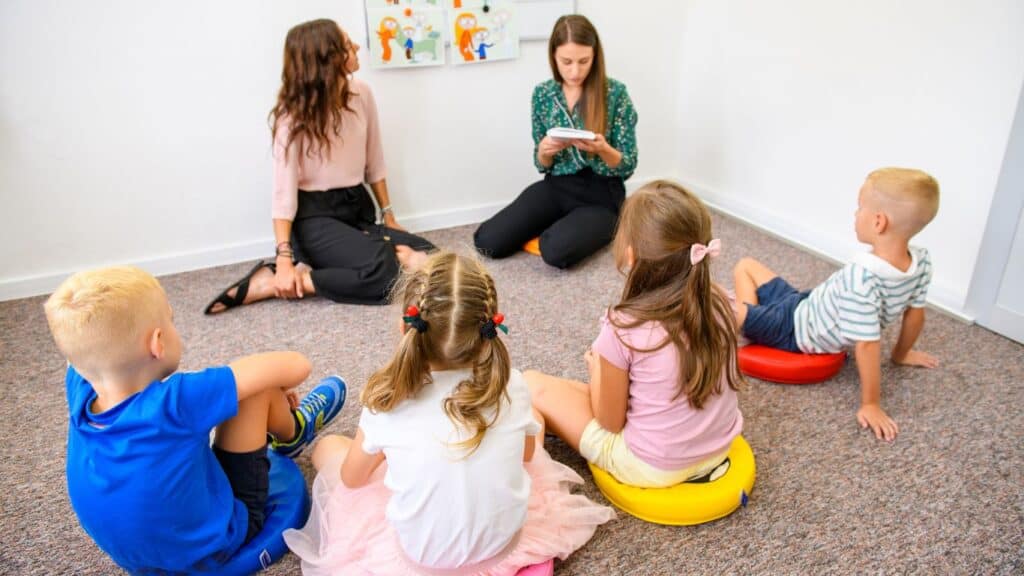
This part might sting. But it needs to be said.
Clinical therapy teams: We have to stop pretending we know what’s happening in the classroom just because we wrote a note or sent a plan.
Real collaboration isn’t a discharge summary. It’s a relationship.
And sometimes, it starts with humility.
It means asking teachers, “What’s working for you?”
It means saying, “Here’s what we’re trying in therapy, can we tweak it together for your classroom?”
It means offering strategy, not dictating protocol.
Because no matter how effective a plan is in a clinic, if it can’t survive the real world of a third-grade classroom with 22 students, it’s not going to create meaningful change.
Educators, You Deserve a Seat at the Therapy Table
And to teachers, school staff, and administrators: We see you.
You’re managing behaviors, lesson plans, accommodations, parent expectations, and systems that often stretch you thin.
But you are not just “implementers” of therapy goals. You’re co-designers of success.
Your insights, the way a child transitions between classes, the strategies that calm them, the sensory needs you’ve spotted before anyone else, are gold.
You shouldn’t have to fight for inclusion in a therapy plan. You should be welcomed into it.
When therapists and teachers operate as partners, the child doesn’t have to “mask” between spaces. They get the gift of consistency.
What Building the Bridge Looks Like
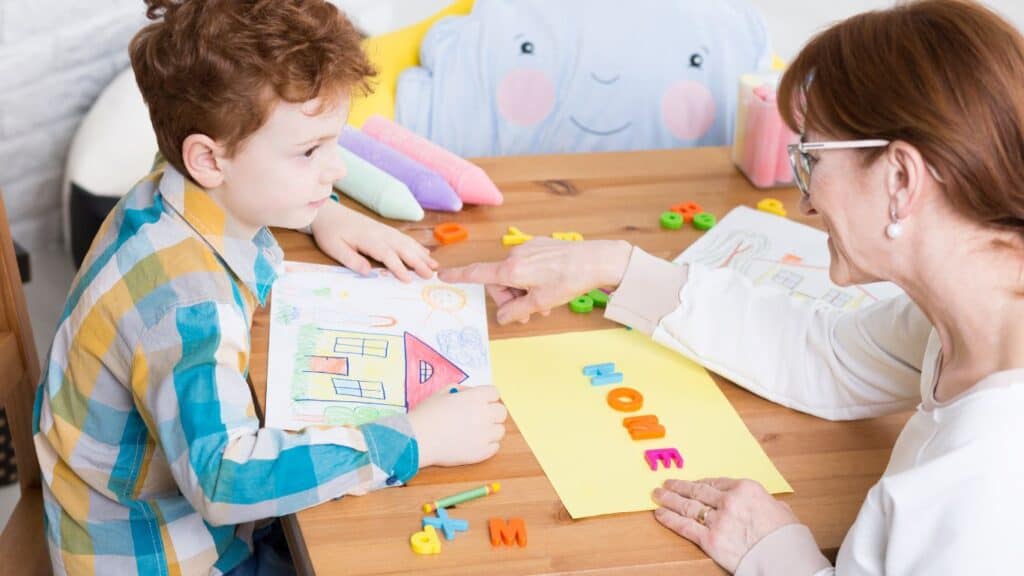
This isn’t just a philosophy. It’s a practice. And it starts with actionable steps:
1. Mutual Visibility
Therapists should observe in classrooms. Teachers should be invited to therapy updates. Cross-pollination matters.
2. Unified Language
Behavior support plans, IEP goals, and therapy progress should use shared terminology, so everyone is speaking the same language, not interpreting acronyms in silos.
3. Real Co-Planning
IEP meetings shouldn’t be paperwork events. They should be strategy sessions where all stakeholders, SLPs, BCBAs, OTs, PTs, mental health therapists, teachers, and parents collaborate on outcomes that live beyond the document.
4. Respect for Roles
Every professional brings value. When a BCBA consults with an OT about sensory integration, or when a speech therapist seeks input from a classroom aide, children benefit.
5. Build Sensory-Friendly Environments
Implement inclusive design principles in schools, including quiet zones, visual schedules, movement breaks, alternative seating options, and fidget tools. OT research shows that these changes increase classroom engagement, especially for students with ADHD and autism.
Why This Bridge Must Be Built Now
Here’s what we know:
- 1 in 6 U.S. children has a developmental disability (CDC, 2023)
- 1 in 31 is diagnosed with autism (CDC, 2024)
- The vast majority of these children spend most of their day in school environments, not clinics
So, if our interventions only exist inside therapy rooms, we’re solving the wrong problem.
The future of effective pediatric care doesn’t live only in clinic walls. It lives in the intersections, where classroom, therapy, and family meet.
We cannot afford to make our systems more convenient than our outcomes.
From Coexistence to Co-Leadership
At its core, this is a shift in mindset.
We need less “referral-based” thinking, where schools “refer” and clinics “take over.”
We need more shared stewardship.
SLPs and teachers co-creating communication boards.
OTs and aides planning morning movement breaks.
BCBAs work with school counselors to align behavior strategies with trauma-informed care.
Parents sitting at the center, not as passive receivers, but as powerful collaborators.
This isn’t utopian thinking. It’s what kids deserve.
And it’s what the best teams are already doing.
The Child Is the Common Ground
Let’s end with this:
No one owns the child. Not the therapist. Not the teacher. Not the clinic. Not the school.
However, we all have the power to shape the environment in which they grow.
So the next time we feel territorial…
The next time we feel dismissed or unheard…
The next time we want to say, “Well, that’s not my role”
Let’s pause. And remember who this is really about.
The child is the bridge.
Let’s meet there.