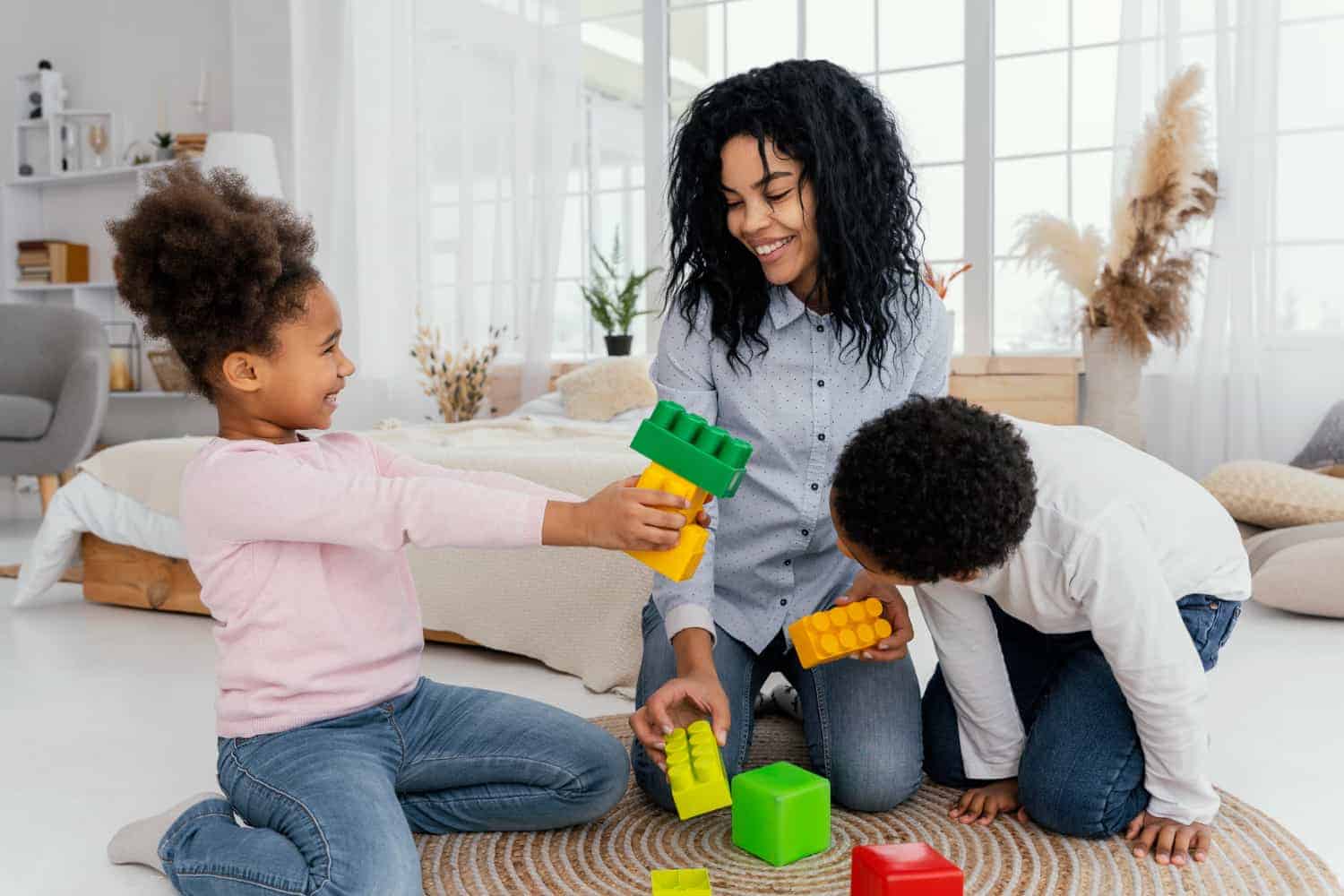
When a child is diagnosed with autism, the entire family steps onto a new path. Parents feel the shift immediately.
But there’s another group whose world changes in quieter ways: the brothers and sisters.
Siblings often carry questions they can’t quite voice. They love fiercely and worry silently. They watch therapy sessions, notice the extra attention, and wonder where they fit.
Supporting them isn’t a side project, it’s a core part of helping the whole family flourish.
Remember Every Child’s Story
When one child needs more therapy, more appointments, more structure, siblings may quietly wonder: Do I matter as much?
Your job is to make the answer unmistakable: Yes. Always. Completely.
Start with open eyes and open ears. Each child’s story matters.
Balancing their needs isn’t about equal time; it’s about each child knowing they belong.
Name What’s Happening
Children notice more than we think. Even a preschooler senses when the calendar fills with therapy sessions or when a parent’s voice tightens.
The first step is honesty at their level.
Simple language works:
“Your sister’s brain works a little differently. That’s why she goes to therapy, so we can help her learn in the way that works best for her. And we love you both the same.”
Clear words prevent the guesswork that breeds anxiety. It also models that autism isn’t a secret or a shame, it’s part of your family’s story.
Protect One-on-One Time
Every child wants proof they still have your attention. This isn’t about grand gestures; it’s about intentional moments.
Fifteen minutes of reading together at bedtime.
A Saturday donut run, just the two of you.
A short walk where you let them choose the topic.
These slices of undivided attention send a powerful message: You matter, and I see you.
Parents often fear they don’t have enough hours to give every child equal time.
But small, consistent rituals carry more weight than occasional big outings.
It’s the rhythm, not the price tag, that fills a sibling’s cup.
Invite Their Voice
Siblings need a safe place to share feelings, love, pride, frustration, even jealousy.
Normalize all of it.
You might ask at bedtime, “What was your best moment today? What was tricky?”
If talking is hard, some kids open up through drawing or a shared journal where you trade notes.
The goal isn’t to fix anyone’s feelings. It’s to show that every feeling belongs.
Involve Them- But Set Boundaries
Many brothers and sisters want to help: fetching a favorite toy, cheering progress, even joining a therapy exercise.
Let them contribute in small ways if they choose.
It fosters empathy and teamwork.
But don’t let helping turn into caregiving.
Siblings should never feel responsible for meltdowns or therapy goals.
Their primary job is still to be kids, free to play, complain about chores, and chase their own interests.
Create Family Traditions
Shared traditions anchor the household.
They remind everyone that autism is part of the family’s story, but not the whole story.
It could be:
- Friday pizza-and-movie night.
- A yearly “Family Adventure Day” where everyone votes on the destination.
- A Sunday walk at Eagle Creek Park or the Monon Trail.
Traditions like these build belonging and give siblings memories that are about connection, not schedules.
Watch for Signs of Stress
Even with strong support, some siblings struggle.
Watch for sudden changes: sleep issues, headaches, withdrawal from friends, slipping grades.
These can signal anxiety or sadness that needs extra care.
If you’re concerned, talk with your child’s pediatrician or a counselor.
Many therapy centers, including multidisciplinary practices like K1ds Count Therapy, can guide families toward sibling support resources without turning siblings into patients.
Care for Yourself
Your steadiness is the atmosphere your children breathe.
Protect time for your own restoration, exercise, coffee with a friend, a quiet drive.
This isn’t indulgence; it’s the foundation of family resilience.
Hold the Bigger Picture
An autism diagnosis reshapes a family, but it doesn’t define it.
Your children, every one of them, carries unique strengths, quirks, and futures.
When siblings see a home built on love, respect, and attention to each child’s needs, they learn the deepest lesson:
Difference is not division.
It’s a source of strength.
Bottom line: Supporting siblings isn’t about balancing a scale.
It’s about building a family culture where every child knows they matter.
Small moments. Honest conversations. Traditions that stick.
Every step you take to support siblings strengthens the family as a whole.
Discover more ways we can support your family’s journey.